Truck Driving at Night: How to Manage Associated Risks

by Michael Mahler — HMD Trucking
Operating a Class 8 commercial tractor-trailer overnight offers clear highways and minimal urban congestion, but it introduces distinct operational hazards. While National Highway Traffic Safety Administration (NHTSA) data shows that the sheer volume of commercial vehicle crashes peaks during daytime congestion hours (6:00 AM to 6:00 PM), the National Safety Council (NSC) notes that the fatality rate per mile driven is nearly three times higher at night. Reduced sightlines beyond headlight beams, active wildlife crossing corridors, and a sharp rise in alcohol-impaired passenger vehicles demand total defensive vigilance. Understanding the physiological demands and safety protocols of truck driving at night allows professional drivers to capitalize on open freight corridors while protecting their CDL and equipment.
Contents:
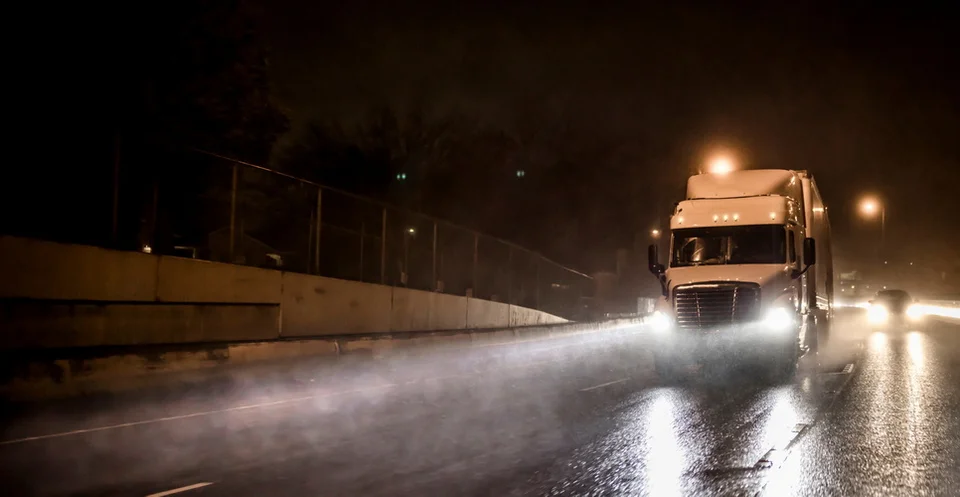
Your Body’s Natural Rhythms at a Lull
Piloting an 80,000-lb combination unit against your biological clock requires deliberate fatigue management strategies:
- Managing the Circadian Nadir: Human alertness drops to its lowest biological point between 2:00 AM and 6:00 AM, when body temperature drops and natural melatonin levels peak. If severe drowsiness hits, do not rely on loud music or open windows; use FMCSA split-sleeper flexibility or pull into a safe rest area for a focused 20- to 30-minute power nap to clear built-up adenosine.
- Avoiding Late-Night Heavy Meals: Consuming large, high-carbohydrate meals late at night triggers heavy insulin release followed by rapid blood sugar drops (reactive hypoglycemia), inducing postprandial somnolence ("food coma"). Drivers running night shifts should consume small, protein-rich snacks—such as almonds, hard-boiled eggs, or beef jerky—that provide steady glucose release without sluggishness.
- Controlled Caffeine Intake: Cap caffeine consumption to 200–300 mg consumed early in the shift. Flooding your system with high-sugar energy drinks after midnight creates nervous tremors, spikes blood pressure, and leads to a sudden exhaustion crash behind the wheel.
Reduced Visibility
The glare of headlights, high beams and fog lights can make driving at night a dangerous experience. All those lights should help drivers to see at night, but in fact, they can produce adverse effects and reduce visibility.
The best way to stay safe at night is to wear glasses with anti-glare lenses for better visibility.
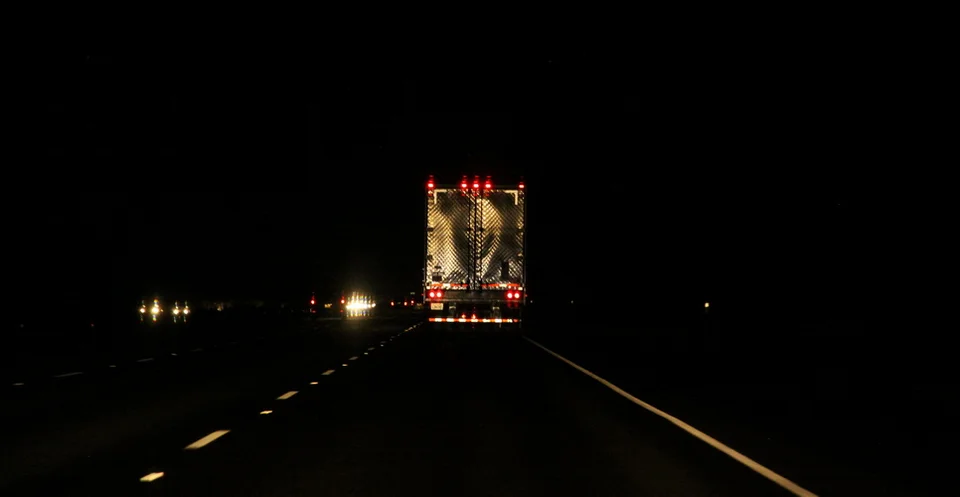
Lighter Traffic
Heavy daytime traffic can cause delays and make driving more stressful, while the density of traffic is usually lighter at night. Just imagine: the rest of the world is already asleep and the lights of highways are shining so pretty in the dark, just for you.
Many drivers also consider nighttime the best time to drive long distances as it reduces journey time.
You should still remember to keep a safe distance to other trucks on the road. You never know for sure about the other drivers who are out. They may feel fatigue and make fatal mistakes.
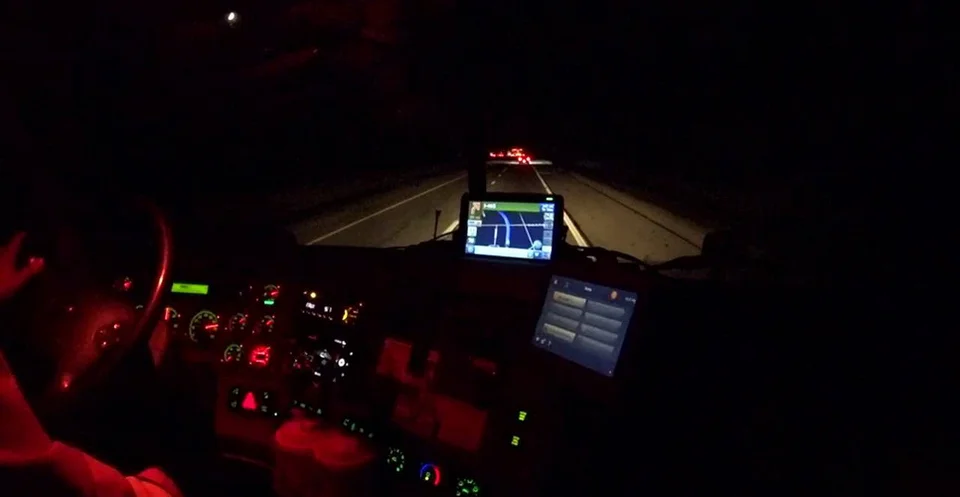
Increased Wildlife Movement
Wild animals cross highways in search of food and water. Dusk and dawn are typically the times of intense wildlife movement, and its paths often cross with commercial vehicles. American highways see more than a million vehicle collisions with wild animals each year.
Following speed limits and being cautious on two-lane intercity roads surrounded by woods is the best way to avoid killing an animal with your truck. Lower your dashboard light, so you can see the headlights reflected in the eyes of animals and leave enough time for maneuvering. Should a collision happen, call the local police department for assistance.

You’re on Your Own
Operating on an overnight schedule directly resolves one of commercial transportation's greatest operational hurdles: the national truck parking shortage.
- The Reverse Schedule Advantage: Major truck stops and public rest areas reach maximum parking capacity between 4:00 PM and 8:00 PM, forcing late-evening arrivals to park on dangerous highway shoulders or circle crowded ramps. Drivers running nocturnal shifts complete their driving windows between 6:00 AM and 9:00 AM—arriving at facilities precisely as daytime drivers depart, ensuring open parking stalls, immediate shower availability, and open fuel islands.
- 24/7 Carrier Fleet Support: While independent brokers often close their phones after business hours, established motor carriers maintain around-the-clock operations centers. Dedicated night dispatchers and breakdown coordinators monitor weather radars, provide live route detours around unannounced overnight paving projects, and dispatch emergency roadside service whenever equipment issues arise.
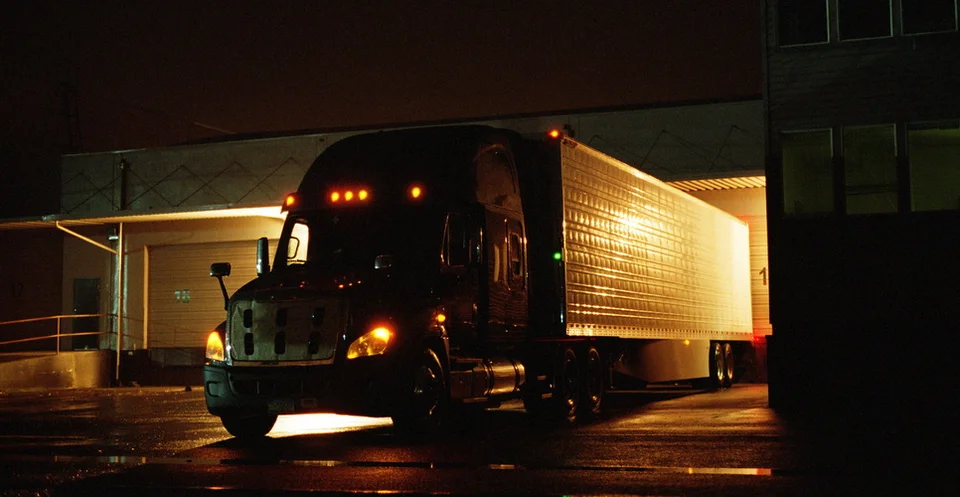
Drunk and Fatigued Drivers
The number of alcohol-related crashes in the U.S. is off the charts: about one third of all fatal accidents occurred due to the disruptive effects of alcohol on driver performance. Alcohol impairs driving skills and behavior. Intoxicated people are more likely to drive impulsively or take risks.
Trucking at night can also be more dangerous, because when it is dark, drivers become drowsy and fatigued, and their concentration, judgment and vision weaken.These factors can lead to an accident. According to a study conducted by the Federal Motor Carrier Safety Administration (FMCSA), driver alertness is mainly related to "time-of-day" rather than "time-on-task".

Safety Tips for Truck Driving at Night
Taken together, these peculiarities of night trucking make up the safe trip formula. Below are a few night driving safety tips on how to manage stressful situations on the road.
Avoid Drowsy Driving
Before heading out on the road it is better to get a good solid sleep. In general, it is good to stick to the daily routine, get up at the same time every day and get enough sleep at night during the rest of the time when not on the road.
Of course, this is no guarantee that you will not get tired while driving at night, but it will decrease the risk of fatigue.
Other tips for avoiding drowsy driving incidents include physical exercise during regular breaks, listening to music or audiobooks, and staying focused. If you still feel tired, it is better to take a break and get some sleep.

Avoid Impaired Vision
Streetlamps, dashboard lights, and lights of oncoming traffic can cause eye strain and even temporary blindness. You may easily overlook pedestrians, wild animals, and other trucks due to impaired vision.
Another reason for poor visibility is contaminants, such as insects, tar, dust, rain stains and ice that can end up on your windshield after just a short drive. Before driving at nighttime, make sure your windshields are clean and apply a rain-repellent coating if necessary. Сheck the operation of the windshield washer and wiper blades.
Keep Your Eyes Peeled
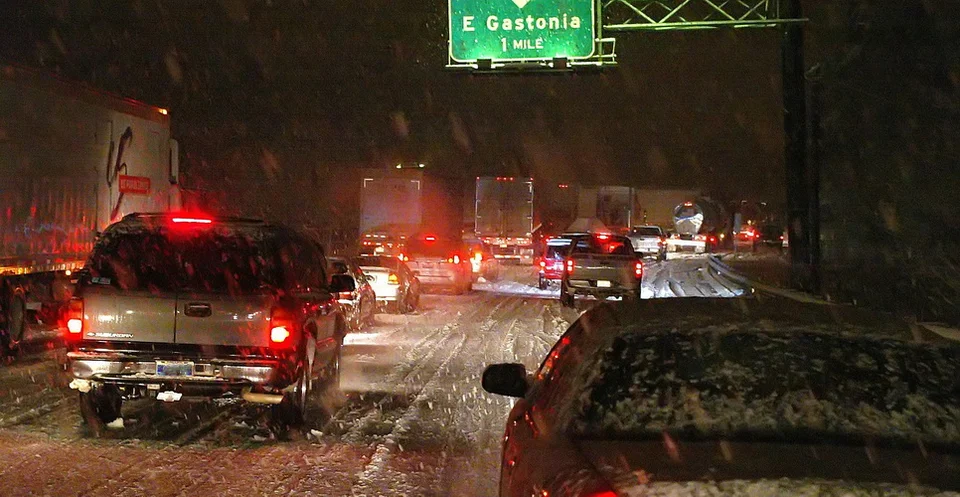
It is a mistake to think that highways are completely empty at nighttime, and you can just relax while driving. In fact, you should always keep your eyes peeled even on a familiar road, as there may be other road users that you cannot see (for example, a cyclist in dark clothes or uncontrolled wildlife).
At night, visibility on the road is significantly reduced and the headlights are not always enough to pierce the darkness. It is better to reduce the speed at night to get enough time to apply the brakes.
Maintain Your Vision
With age our eyesight deteriorates, so it is essential for drivers to get regular eye exams in order to maintain vision and drive safely.
Some vision problems that weaken your eyesight during night trips can be improved with corrective glasses or contact lenses. Choose a solution with an anti-glare or anti-reflective coating.

Drive Below the Speed Limit
If someone is driving at twice the speed limit at night, would other truck drivers be able to predict what will happen? The answer is obvious: sooner or later, that racer will get caught up in a big crash.
Even if there are tight time constraints, and the dispatcher insists that you hurry up, safe driving is the priority. Speeding can result in severe accidents at any time of the day and night.
Cool Refreshing Air
A truck cabin filled with cool and refreshing air: what could be better for staying awake and concentrated. Fresh air helps to clear your mind and increases your energy levels. Your response to possible incidents on the road will be quicker and more accurate.
Listen to Music, Audiobooks, Podcasts
Listening to music, audiobooks or podcasts during long night hauls can be good for concentration. Yet, we cannot say that this tip is good for everyone. Many truck drivers say that certain audiobooks and music make them bored and sleepy. You should choose cheerful, upbeat music, and audiobooks that will keep you interested and paying attention.
Avoid Cell Phones and Other Distractions
Using digital devices may impair your focus as well. Refrain from looking at your cell phone at night.
If you need to make an urgent call, use hands-free.
Conclusion
Commercial trucking somewhat dictates its own rules: drivers are obliged to keep to the hours of service rules and rest, and still meet tight pickup and delivery deadlines. While many logistical hubs and warehouses operate 24/7, you may have to spend long hours waiting to load up or unload, and there are sometimes strict delivery time limits. You might find that there is no way out other than trucking at night, especially if the vehicle is loaded with perishable commodities.
Many of us find that driving at nighttime is more difficult than during the day, but there are upsides too, such as less busy roads and better parking options.
If you want to start a truck driving career with HMD Trucking, please fill in the lead form below. HMD also has its own restaurant in Chicago Ridge. To find out about the bonus for HMD Trucking drivers, as well as the description and location of the restaurant, read our article about HMD Bar&Grill.
ф