Quick Pay for Truckers and How to Improve Your Cash Flow

by Michael Mahler — HMD Trucking
Managing working capital is the foundation of operating a sustainable commercial trucking business. While motor carriers face immediate recurring expenses—including diesel fuel, insurance premiums, equipment lease obligations, highway tolls, and driver compensation—commercial shippers and freight brokers routinely operate on Net 30, Net 60, or Net 90 payment terms. Waiting up to three months for freight settlement can strain operating reserves and limit an owner-operator's ability to book profitable lanes. To accelerate cash flow, transportation companies rely on two primary financing mechanisms: freight factoring and broker quick pay. Understanding the cost structures, operational workflows, and risk trade-offs between these two cash-flow solutions ensures you protect your business margins while maintaining steady liquidity. For drivers seeking greater financial control and consistent freight lanes, exploring our owner truck driver jobs page provides immediate opportunities with established carrier support.

Broker quick pay is an accelerated settlement option offered directly by individual freight brokerages, enabling motor carriers to receive invoice payments within 1 to 3 business days rather than waiting for standard 30-day accounting cycles:
- Discount Fee Structure: In exchange for expedited payment via direct deposit or ACH, the issuing broker deducts a processing fee, typically ranging from 1.5% to 5.0% of the gross rate confirmation. Same-day wire transfers or fuel card advances generally trigger fees at the higher end of that scale.
- Broker-Specific Enrollment: Quick pay agreements are established on a broker-by-broker basis. Carriers must complete separate direct-deposit authorizations, banking verifications, and contractual discount agreements for every individual brokerage they haul for.
- Operational Limitations: Quick pay applies exclusively to loads booked through that specific broker. It provides no back-office invoicing support for direct shippers, no unified payment portal, and zero protection against broker insolvency or non-payment on other customer freight.

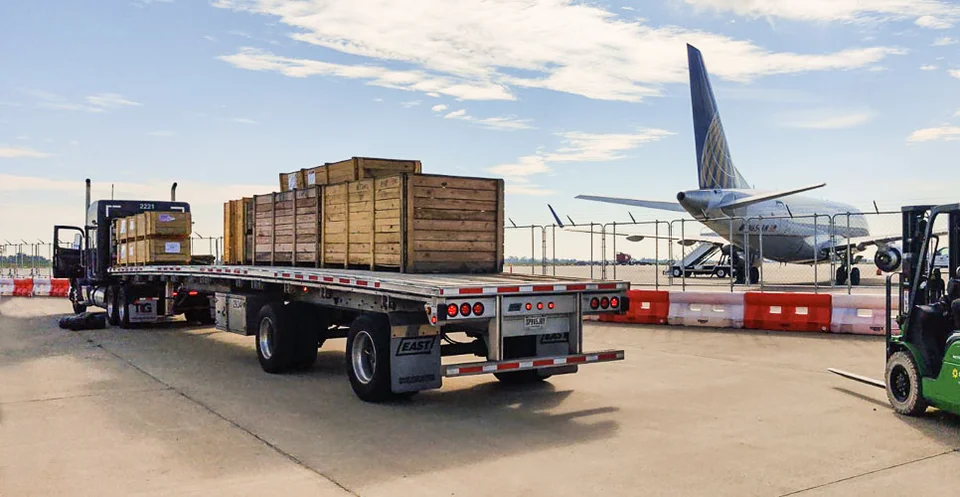
What Is Factoring?
Unlike corporate bank products, freight factoring services are unique offerings that have been designed specifically to suit the commercial transport industry. The process of freight factoring involves the motor carrier assigning their unpaid freight bills together with rate confirmations, BOLs, and PODs to a factor. The factor provides 90-98% of the gross invoice amount in the operating account of the motor carrier within 24 hours after the delivery of the shipment is made. Notice of Assignment (NOA) under UCC Article 9 is provided, and the factor assumes all responsibilities for the billing process of the shipper/broker and collecting payment from the customer. Upon receipt of the payment, the factor releases the reserved amounts to the motor carrier, less a specified factoring fee ranging between 1.5% and 3.5%.
Factoring vs Quick Pay for Truckers
Evaluating factoring vs. quick pay for truckers requires comparing administrative efficiency, total financing costs, and balance-sheet risk across four operational criteria:
- Invoicing Administration: Quick pay forces carriers to submit individual invoices to dozens of disparate broker accounting departments, each with varying payment portals, submission deadlines, and fee schedules. Factoring consolidates all billing under a single provider that handles collections, payment processing, and accounting documentation.
- Fuel Surcharge & Fleet Card Programs: Dedicated freight factors provide integrated commercial fuel card programs that pass through wholesale fuel discounts—often saving $0.30 to $0.70 per gallon at major truck stop chains—alongside immediate fuel advances upon load pickup. Broker quick pay offers no integrated fuel discounting networks.
- Credit Risk Management: Factoring programs provide motor carriers with online credit portals to verify shipper and broker credit ratings and Days to Pay (DTP) averages before accepting freight. In non-recourse programs, the factor absorbs the loss if an approved broker files bankruptcy. Quick pay provides zero credit screening; if a broker fails before remitting payment, the carrier absorbs a complete financial loss.
- Net Cost Efficiency: While quick pay fees may seem economical on occasional spot loads, paying 3% to 5% across multiple brokers without auxiliary benefits yields higher aggregate costs than negotiating a volume-tiered 1.5% to 2.5% factoring rate across your fleet's total gross revenue.
Conclusion
Choosing between broker quick pay and specialized freight factoring depends on your carrier operating model, fleet volume, and administrative bandwidth. While quick pay provides an accessible option for single-truck operators hauling occasional spot loads for a small group of trusted brokers, dedicated freight factoring delivers predictable cash flow, wholesale fuel purchasing power, and professional collections support for growing carriers. At HMD Financial, we support independent owner-operators and fleet owners with transparent, high-advance factoring programs featuring competitive discount rates, same-day funding, and real-time customer credit screening. Contact HMD Financial today to structure a flexible factoring program tailored to your lanes. To further protect your bottom line, review our commercial carrier guide on tax deductions for truck drivers to keep more revenue working for your business.